
Blog · Roofing Materials
What Is Metal Roofing? Types, Lifespan and How It Handles New Mexico
Metal lasts 40 to 70 years, two to three times an asphalt roof, and handles desert sun, hail and monsoon wind better than almost anything else. Here is how the systems differ.
Contents
Metal roofing is a roof system made of steel, aluminum, copper or zinc, formed into panels or shingles and installed over a deck and underlayment. It lasts 40 to 70 years, which is two to three times the life of asphalt shingles, and it's one of the best performers available in desert sun, hail and monsoon wind.
It's also the material most homeowners in Las Cruces know least about. They've seen it on barns and warehouses and assume it's loud, hot and industrial. Modern residential metal is none of those things, and on the right home it's the last roof the owner ever buys.
This guide covers what metal roofing is made of, the two main panel types and which one you want, how long it lasts, how it handles our climate, how it compares to shingles over 30 years, the myths, what it costs, and whether it belongs on a stucco home.
What Is Metal Roofing Made Of?
Four metals, each with a different price and personality.
Steel is the workhorse. It's either galvanized (zinc-coated) or Galvalume (zinc and aluminum alloy coating), then painted. Galvalume resists corrosion better and is the standard for residential panels. Steel is sold by gauge: 24 and 26 gauge are typical for homes, with lower numbers being thicker and stronger.
Aluminum doesn't rust, which makes it the choice in coastal salt air. It's lighter and softer than steel and costs more. Less common here, where salt isn't a factor.
Copper and zinc are premium metals that develop a patina over decades and last well past a century. They're used on accents, porches and high-end custom homes rather than whole roofs on most budgets.
The finish matters as much as the metal. Residential panels carry a paint system, and there are two tiers. PVDF (sold under names like Kynar 500) is the premium finish: it resists fading and chalking under intense UV for decades. Polyester or SMP finishes cost less and fade faster. At our elevation, the finish is where a cheap metal roof shows its age.
The Two Main Types: Standing Seam vs Exposed Fastener
This is the decision that defines what metal roofing is on your house, and the two systems are very different.
Standing Seam
Panels run from ridge to eave with raised vertical seams between them. The panels attach to the deck with concealed clips under the seam. No fastener penetrates the panel surface. The clips let each panel expand and contract freely with temperature, and the raised seams keep water well above the attachment points.
Standing seam is the premium residential system. It costs more because the panels are often roll-formed on site to exact length and the installation is more skilled. In return it has no exposed fasteners to loosen or leak, it handles thermal movement cleanly, and it carries the longest warranties.
Exposed Fastener
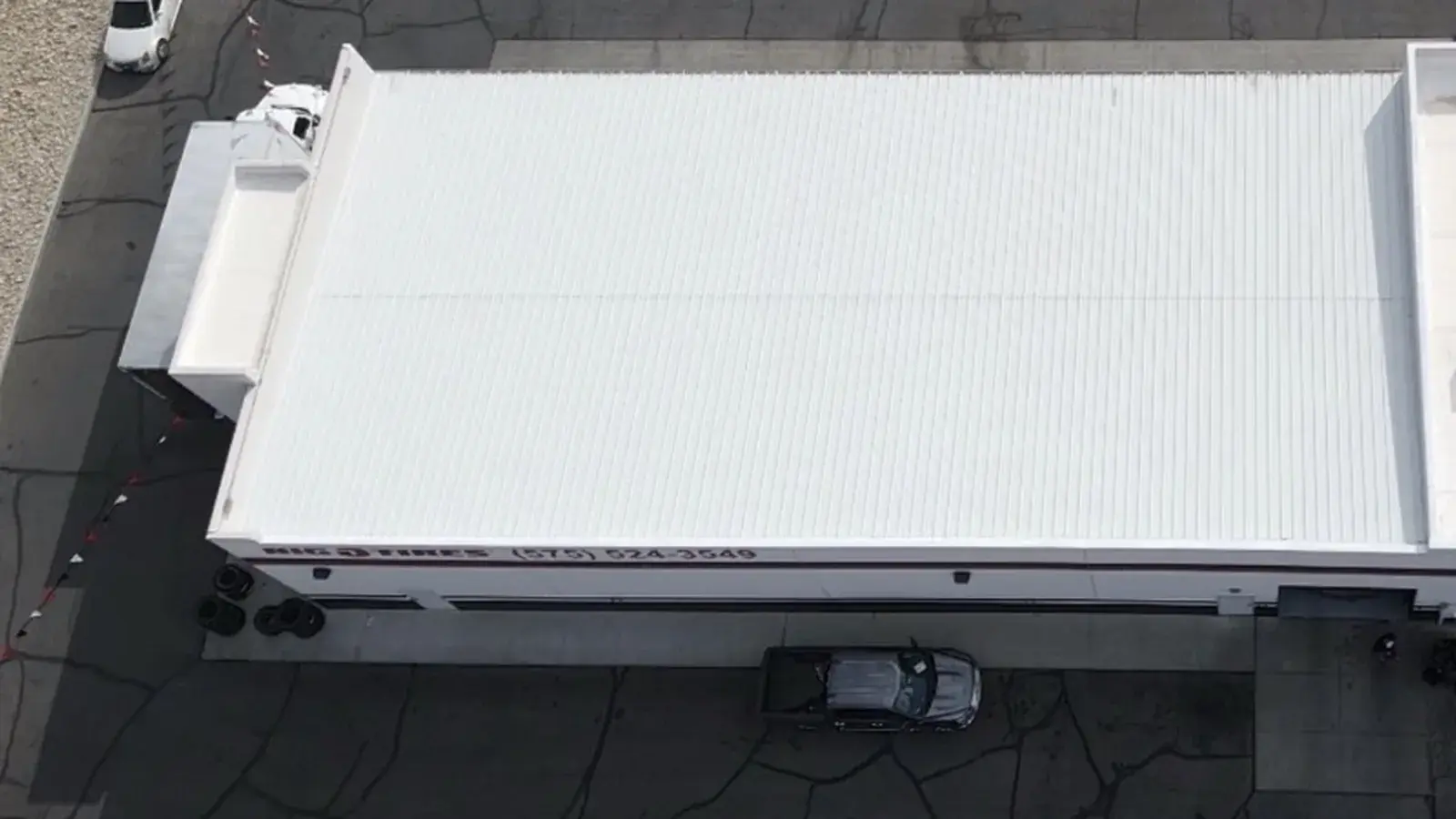
Panels, often corrugated or ribbed, are screwed directly through the face into the deck or purlins, with a rubber washer under each screw head. It's faster and cheaper to install and it's what's on most agricultural and commercial buildings.
The weakness is the fasteners. There are thousands of them, each with a rubber washer exposed to sun. The washers dry out and the screws back out as the panels expand and contract. On a 20-year-old exposed fastener roof, a maintenance visit often means replacing hundreds of screws. It's a fine system for a shop or barn. On a home, standing seam is worth the difference.
Other Metal Roofing Styles
- Metal shingles and tiles. Stamped panels that mimic shake, slate or clay tile, installed in courses like conventional shingles. They give a traditional look with metal performance.
- Corrugated panels. The classic wavy profile, exposed fastener, common on outbuildings and increasingly on modern-style homes.
- Stone-coated steel. Steel panels with a bonded layer of stone granules, designed to look like tile or shake from the street. Popular as a lighter alternative to real tile.
How Long Does Metal Roofing Last?
Standing seam steel with a PVDF finish realistically lasts 50 to 70 years. Exposed fastener systems run 30 to 45, with fastener maintenance along the way. Copper and zinc go well past 100.
What shortens it: a polyester finish that chalks and fades in 15 years, exposed fastener washers that never get replaced, poor flashing at walls and penetrations, and dissimilar metals in contact (a copper flashing against a steel panel, for instance, corrodes the steel). Scratches through the finish that aren't touched up can rust on galvanized steel, less so on Galvalume.
Properly installed and detailed, metal is a once-in-a-lifetime roof. That's the honest comparison against the 20 to 25 years an architectural shingle roof delivers in this climate, and it changes the math on how often a roof should be replaced.
How Does Metal Roofing Handle New Mexico Weather?
Better than almost anything else.
UV and heat. A PVDF-finished metal panel reflects a large share of solar energy, and light colors can qualify as cool roofs. Surface temperature and the cooling load underneath both drop compared with dark shingles. The finish doesn't dry out and shed granules the way asphalt does.
Hail. Most residential metal panels carry a Class 4 impact rating, the highest available. Hail can dent a thin or soft panel cosmetically, but it rarely compromises the roof. Many insurers discount Class 4 roofs.
Monsoon wind. Standing seam systems are routinely rated for 140 mph and higher uplift. A 60 to 70 mph downburst that strips 3-tab shingles doesn't move a properly clipped metal panel.
Thermal expansion. This is where the system choice shows. A 40-degree daily swing moves a 30-foot steel panel measurably. Standing seam clips are designed for it. Exposed fastener screws fight it, and lose over time.
Fire. Metal is non-combustible and carries a Class A fire rating, which matters in a region with wildfire risk on the edges of the valley.
What to watch. Dust buildup in low-slope valleys, and the roof flashing at stucco parapets and walls, which is the same weak point it is on every roof.
Metal Roofing vs Asphalt Shingles
Side by side, here's how standing seam metal stacks up against architectural asphalt shingles in this climate.
| Standing seam metal | Architectural shingles | |
|---|---|---|
| Upfront cost | Two to three times the price of shingles | The cheapest roof to install |
| Realistic lifespan here | 50 to 70 years | 20 to 25 years in Las Cruces sun |
| Replacements over 60 years | One roof | Three roofs |
| Cooling performance | Reflects heat, cool-roof finishes available | Dark shingles absorb it |
| Wind rating | 140 mph and up | 110 to 130 mph |
| Hail rating | Class 4, the highest | Class 3 to Class 4 by product |
| Maintenance | Minimal attention | Annual inspection and periodic repair |
| Resale | A strong selling point | Neutral |
Over a 60-year window, a shingle roof gets replaced three times. Metal gets installed once. Add lower cooling bills and possible insurance discounts, and the lifetime cost of metal is often lower, even though the first check is larger. That math is what makes it a sound choice for owners who plan to stay.
The Myths: Noise, Lightning, Heat and Rust
"Metal roofs are loud in the rain." Over a solid deck with underlayment and attic insulation, a metal roof is no louder than shingles. The barn-roof noise people remember comes from panels screwed to open purlins with nothing underneath.
"Metal attracts lightning." It doesn't. Lightning strikes the highest object regardless of material. If a metal roof is struck, it disperses the energy and doesn't burn, which is an advantage over shingles.
"Metal roofs make the house hot." The opposite. A reflective metal finish keeps the attic cooler than dark asphalt. The heat concern comes from unfinished bare metal, which isn't used on homes.
"Metal rusts." Galvalume steel with a quality paint system is warranted against rust for decades. Rust shows up on scratched galvanized panels or cheap imports, not on properly specified residential metal.
What Does Metal Roofing Cost?
Metal is priced per square (100 square feet) and the range is wide: exposed fastener panels at the low end, standing seam in the middle to upper range, and copper or zinc at the top. Expect standing seam to run roughly two to three times the cost of an architectural shingle roof of the same size.
What drives it: panel type and gauge, finish tier, roof complexity (hips, valleys, dormers and penetrations all add detail work), and whether the old roof is torn off. Labor is a larger share than on shingles because the detail work is more skilled.
Offsets to ask about: homeowner insurance discounts for Class 4 and Class A roofs, lower cooling costs, and the fact that it's the last roof you'll pay for.
Is Metal Roofing Right for a Stucco Home?
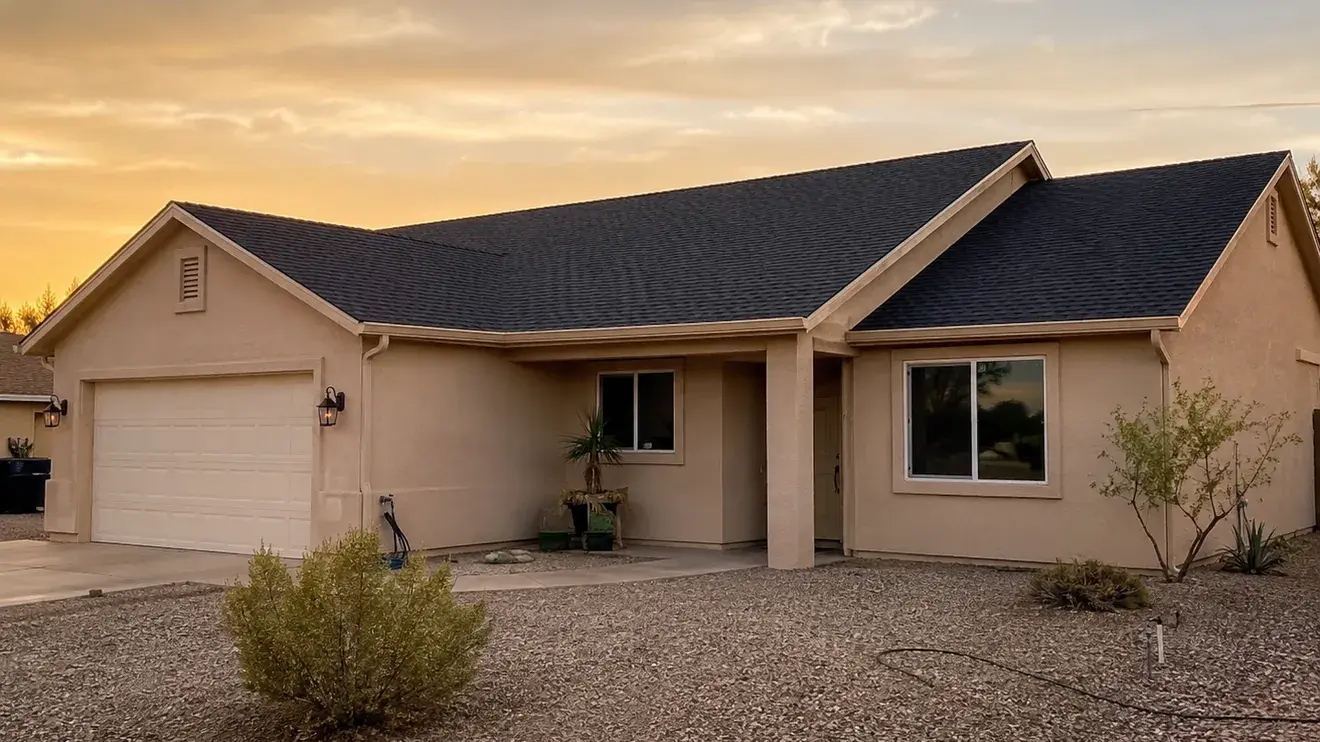
Often, yes, and it's becoming common on Las Cruces homes that are ready for a replacement.
The look. Standing seam in earth tones, dark bronze or weathered copper sits comfortably on Territorial and contemporary Southwest homes, and metal shingles or stone-coated steel can mimic tile on Spanish-style homes at a fraction of the weight.
The flashing. Metal roofs meet stucco walls and parapets the same way every roof does, and the flashing has to be integrated with the stucco. This is the detail that decides whether the roof leaks, and it's why a contractor who does both trades matters on a stucco home.
Pueblo-style flat roofs. Metal isn't the answer there. Flat roofs are membrane and coating territory. Metal belongs on pitched roofs, including the pitched sections of a home that mixes both.
Metal is part of the specialty roofing work Gilbert & Sons installs, and it's worth a conversation on any pitched-roof home facing a roof replacement in the next few years.
The Bottom Line on Metal Roofing
So, what is metal roofing? Steel, aluminum, copper or zinc panels, installed as standing seam or exposed fastener, that last two to three times longer than shingles and handle desert sun, hail and wind better than almost anything else. Three takeaways:
- On a home, choose standing seam with a PVDF finish. Exposed fastener panels belong on shops and barns.
- The upfront cost is higher, but one metal roof replaces three shingle roofs over the same span, with lower cooling costs along the way.
- On a stucco home, the flashing at walls and parapets is what makes or breaks a metal roof. Get it done by a crew that does both.
Contact Gilbert & Sons Roofing and Stucco
Gilbert & Sons Roofing and Stucco is a licensed, insured and bonded contractor serving Las Cruces and Doña Ana County since 2010. We install standing seam and metal shingle roofs on homes and commercial buildings, handle the stucco transitions ourselves, and will tell you honestly whether metal, tile or shingle is the right choice for your roof. For a quote on a new roof installation or to compare options, call 575-649-2316, email gilbertandsons2010@gmail.com, or request an estimate through our contact page and we'll start with a roof inspection and a written comparison.