
Blog · Roofing Materials
What Is Roof Underlayment? Felt, Synthetic and Self-Adhered Explained
Underlayment is the water-resistant layer between your deck and your roofing. On a shingle roof it is the second line of defense. On a tile roof it is the only one.
Contents
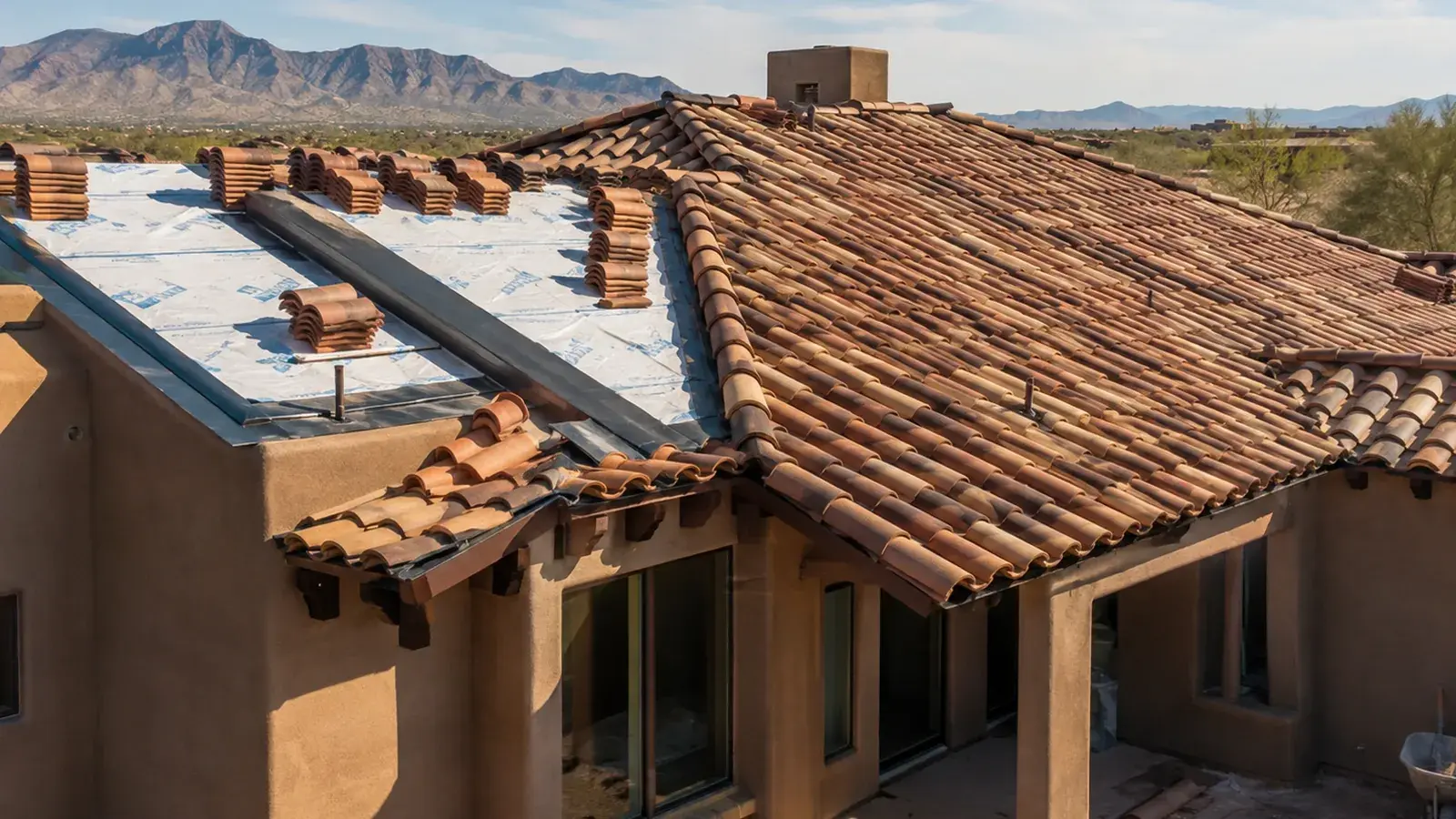
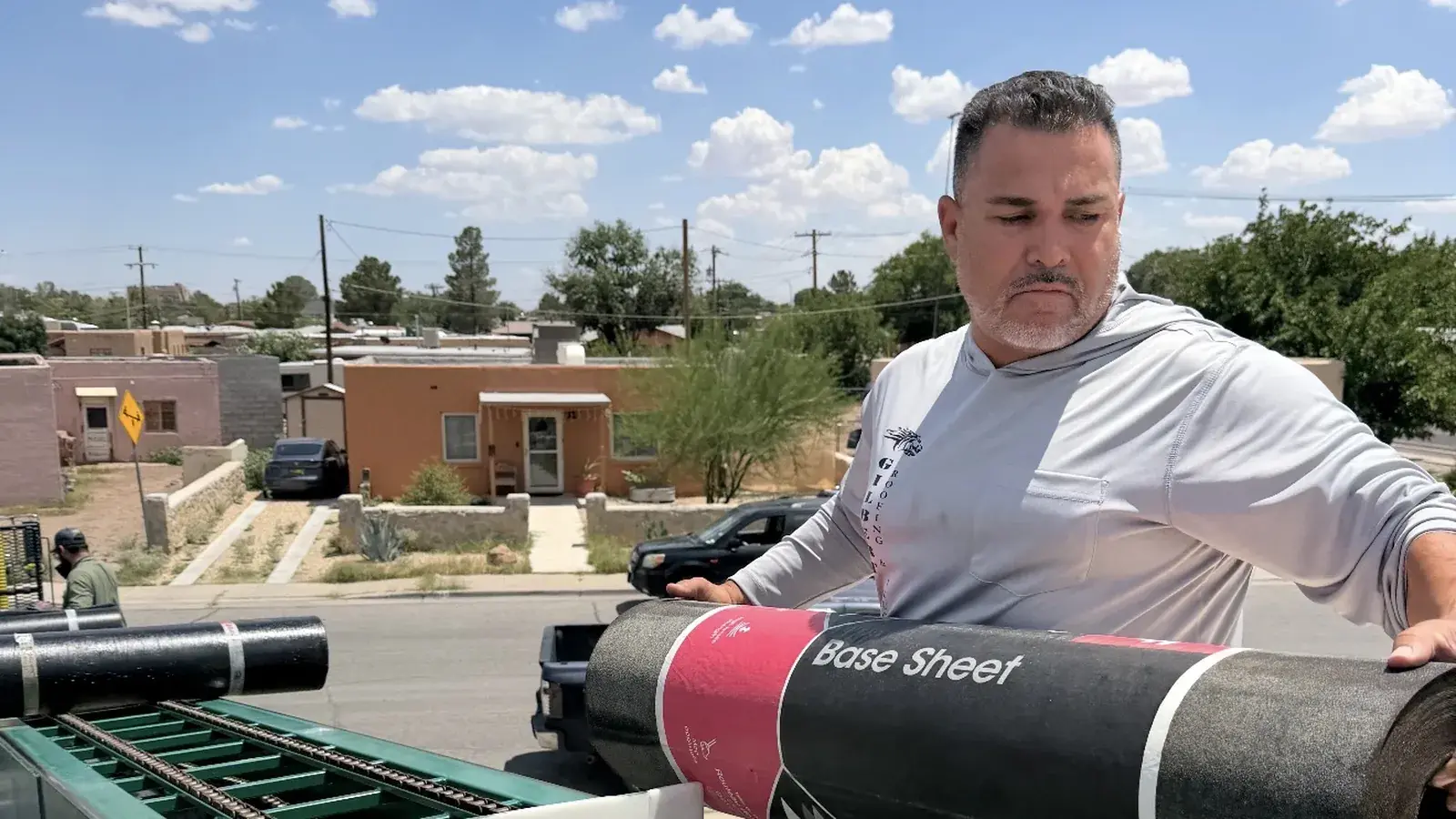
Roof underlayment is the water-resistant sheet installed directly on the roof deck, beneath the shingles, tile or metal you see from the street. On a shingle or metal roof it's the second line of defense, catching whatever wind-driven rain gets past the surface. On a tile roof it's the first line of defense, because tile sheds water but doesn't seal it out.
Most homeowners never think about underlayment until a roofer mentions it in a quote, or until a tile roof starts leaking with every tile still intact. By then the question of what roof underlayment is has become a very practical one.
This guide explains what it does, the three types and how they compare, where each one goes on the roof, why it matters more under tile than anything else, how New Mexico heat shortens its life, and what to ask your roofer about it.
What Is Roof Underlayment and What Does It Do?
Underlayment does four jobs at once.
It sheds water that gets past the roofing. Shingles, tiles and metal panels all let some water through in wind-driven rain, at laps, and around fasteners. Underlayment catches it and carries it down to the eave.
It protects the deck during installation. Once underlayment is on, the roof is dried in. A storm during a two-day install doesn't soak the plywood, which is why reaching dry-in the same day as tear-off is a priority in how roof replacement works.
It provides a slip surface. Roofing materials expand and contract. Underlayment lets them move without abrading the deck.
It satisfies code and warranty. Building code requires it, and nearly every shingle, tile and metal manufacturer voids the warranty without it.
The Three Types of Roof Underlayment
Asphalt-Saturated Felt
The traditional option. Organic or fiberglass mat soaked in asphalt, sold as 15 lb or 30 lb (sometimes labeled #15 and #30). It's inexpensive and crews have used it for a century. Its drawbacks are weight, tear-prone installation in wind, short UV tolerance (days, not weeks), and a tendency to dry out, wrinkle and crack over time, especially in hot attics.
Synthetic Underlayment
Woven or spun polypropylene or polyethylene, usually with a slip-resistant coating. It's lighter, stronger, far more tear-resistant, and rated for weeks to months of UV exposure. It's become the standard on new shingle and metal installations. It costs more than felt but less than self-adhered.
Self-Adhered Underlayment
Rubberized asphalt or butyl with a peel-off backing that sticks directly to the deck. Often called ice and water shield or peel-and-stick. It seals around nails, resists ponding and wind-driven water, and is the only type that acts as a true waterproof membrane. It's used in high-risk zones on every roof and as full coverage under tile and on low-slope sections. It's the most expensive type and it's not breathable, so it's rarely used over an entire pitched roof in a hot climate unless the design calls for it.
Felt vs Synthetic vs Self-Adhered
Here's how the three compare on the points that matter.
| Felt (15 or 30 lb) | Synthetic | Self-adhered | |
|---|---|---|---|
| Cost | Lowest of the three | Moderate | Highest |
| Lifespan under roofing | 15 to 25 years | 25 to 40 years | 30 to 40 years |
| UV exposure tolerance | Days before it degrades | 30 to 180 days by product | 30 to 90 days by product |
| Tear resistance | Low, especially in wind | High | High |
| Weight | Heavy rolls | Light rolls, easier to install | Heavy rolls |
| Seals around fasteners | No | No | Yes, the only type that does |
| Breathable | Yes | Varies by product | No |
| Best use | Budget re-roofs, sheds and outbuildings | The open field of shingle and metal roofs | Valleys, eaves, penetrations, wall transitions, full coverage under tile and on low slope |
The honest summary: synthetic has replaced felt as the default for good reason, and self-adhered goes wherever water concentrates or sits.
Where Each Type Goes on the Roof
A well-built roof uses more than one.
- Synthetic across the field. The open slopes of a shingle or metal roof get synthetic, lapped course over course from eave to ridge. On an asphalt shingle roof this is the layer the shingles are nailed through.
- Self-adhered in the valleys. Valleys carry the most concentrated water on the roof.
- Self-adhered at the eaves. Three feet up from the edge is standard, and it's where ice dams form in colder climates. Here it's less about ice and more about wind-driven monsoon rain pushing under the first course.
- Self-adhered around penetrations. Pipes, vents, skylights and chimneys.
- Self-adhered at stucco wall transitions. Where a roof meets a stucco wall, the underlayment turns up the wall under the step flashing and the weather-resistive paper. This is a detail most leaks on stucco homes trace back to.
- Full self-adhered or heavy synthetic under tile. More on that next.
- Self-adhered on low-slope sections. Anything under about 4:12 pitch gets full coverage, because water moves slowly and finds laps.
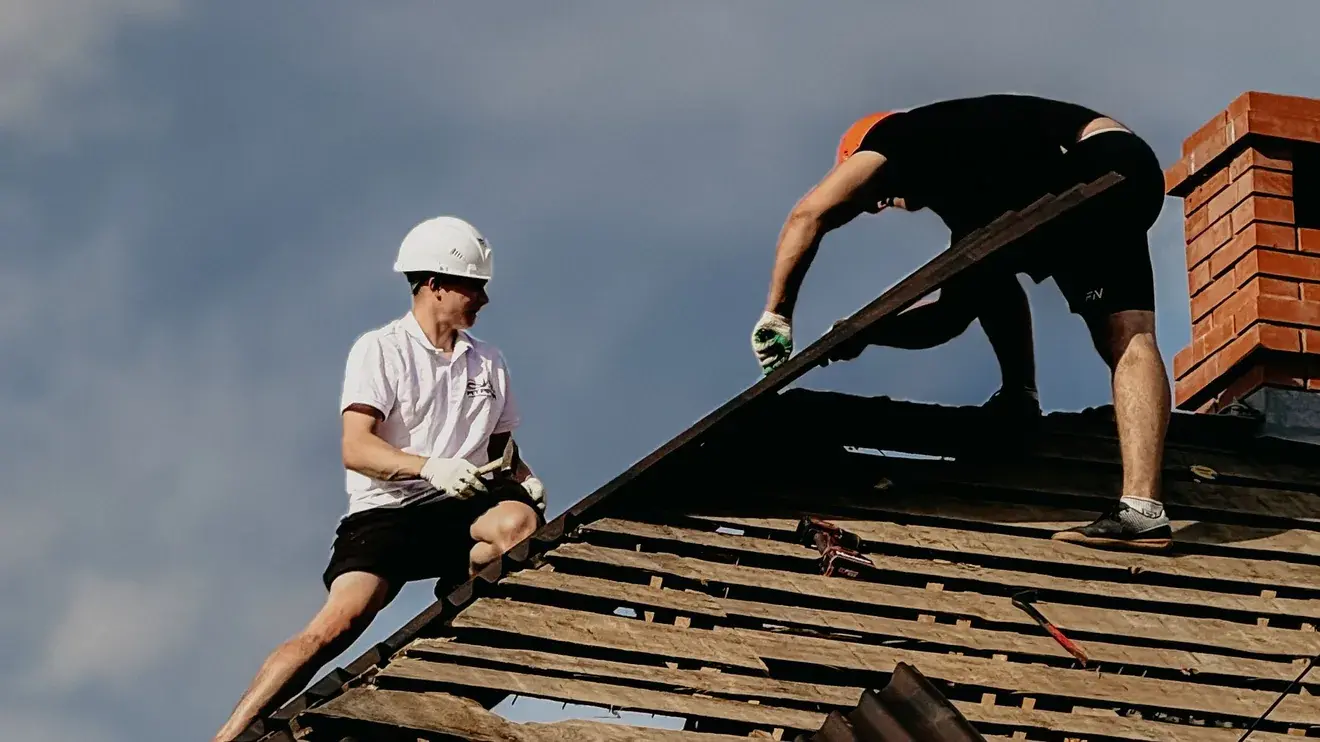
On a roof installation, the underlayment plan should be spelled out in the quote by type and location, not described as "underlayment included."
Why Underlayment Matters More Under Tile
Clay and concrete tile is the longest-lasting roofing material available, and it's also the one that depends most on what roof underlayment is doing beneath it.
Tile isn't waterproof. The tiles overlap and shed most rain, but wind-driven water, capillary action at the laps, and water running under cracked or slipped tiles all reach the deck. The underlayment is the actual waterproof layer on a tile roof. The tiles mostly protect the underlayment from sun and impact.
That creates a mismatch, and it's the reason how long tile roofs last is really two different numbers. The tiles last 50 to 100 years. The underlayment under them lasts 20 to 30 for felt and 25 to 40 for heavy synthetic or self-adhered. When the underlayment fails, the roof leaks with every tile intact, which confuses homeowners and leads to a lot of wasted tile repairs.
The fix is underlayment replacement, sometimes called lift and relay: the tiles come off in sections, the old underlayment is torn out, new self-adhered or heavy synthetic goes down with new flashing, and the original tiles go back on. It restores a tile roof for another 30 years without buying new tile. On a tile roof past 20 years, the underlayment should be checked before anything else.
How New Mexico Heat and UV Affect Underlayment
Our climate is hard on the layer you can't see.
Attic heat cooks it from below. Roof deck temperatures in July exceed 150 degrees. Felt dries out, loses its asphalt oils and becomes brittle. Synthetic holds up far better, but a poorly ventilated attic shortens any underlayment's life.
UV reaches it through gaps. Every cracked tile, lifted shingle or open ridge exposes underlayment to direct sun. Felt breaks down within weeks. Synthetic's UV rating buys time, but none of it is permanent. That's why one broken tile left alone through two summers becomes a leak.
Installation delays matter. If a roof is dried in and then the finished roofing waits for materials, the underlayment's UV rating decides whether it survives. Synthetic rated for 90 or 180 days is the safe choice here.
Thermal cycling stresses laps. Daily swings of 30 to 40 degrees work the overlaps. Self-adhered seals them. Felt and synthetic depend on correct lap width and fastening.
Signs Your Underlayment Has Failed
- Leaks with intact roofing above. The classic tile roof symptom, but it happens under shingles and metal too.
- Brittle, cracked or torn material when a tile or shingle is lifted during an inspection.
- Visible deterioration at the eaves where underlayment shows below the first course.
- Water stains on the deck seen from the attic, especially along rafters below a valley or wall.
- Leaks that appear only in wind-driven rain, which points to water getting past the roofing and finding a failed lap.
A professional roof inspection that lifts a few tiles or checks the attic is the only way to confirm underlayment condition. From the ground it's invisible.
What to Ask Your Roofer About Underlayment
Before signing a quote for a new roof or a roof replacement, ask four things:
- What type? Felt, synthetic or self-adhered, and the product name.
- What weight or rating? 30 lb felt over 15. For synthetic, the UV exposure rating.
- Where does the self-adhered go? Valleys, eaves, penetrations and wall transitions at minimum. Full coverage under tile and on low slope.
- Is it itemized? A quote that says "underlayment included" with no detail is a quote where the cheapest felt is likely.
The underlayment is a small fraction of the roof's cost and a large fraction of its ability to stay dry. It's the wrong place to save money.
The Bottom Line on Roof Underlayment
So, what is roof underlayment? The water-resistant layer between the deck and the roofing, doing the quiet work of catching whatever the surface misses. Three takeaways:
- Synthetic has replaced felt as the standard for the open field. Self-adhered belongs in valleys, at eaves, around penetrations and at stucco wall transitions.
- Under tile, the underlayment is the waterproof layer. It fails decades before the tiles do, and replacing it is the normal mid-life service on a tile roof.
- New Mexico heat and UV shorten underlayment life. Ventilation, prompt repair of broken tiles and a quality synthetic or self-adhered product all extend it.
Contact Gilbert & Sons Roofing and Stucco
Gilbert & Sons Roofing and Stucco is a licensed, insured and bonded contractor serving Las Cruces and Doña Ana County since 2010. Every roof we install itemizes the underlayment by type and location, and we replace tile roof underlayment without replacing the tile. If you've got a leak with no visible damage, or a tile roof past 20 years that's never been checked, call 575-649-2316, email gilbertandsons2010@gmail.com, or request an estimate through our contact page and we'll inspect the layer you can't see from the ground.