
Blog · Roof Maintenance
What Does a Roof Inspection Include? The Full Checklist
A professional roof inspection covers the structure, the roofing material, the flashing and penetrations, and the attic, and ends with a written report with photos. Here is the full checklist by roof type, how long it takes and when to schedule one.
Contents
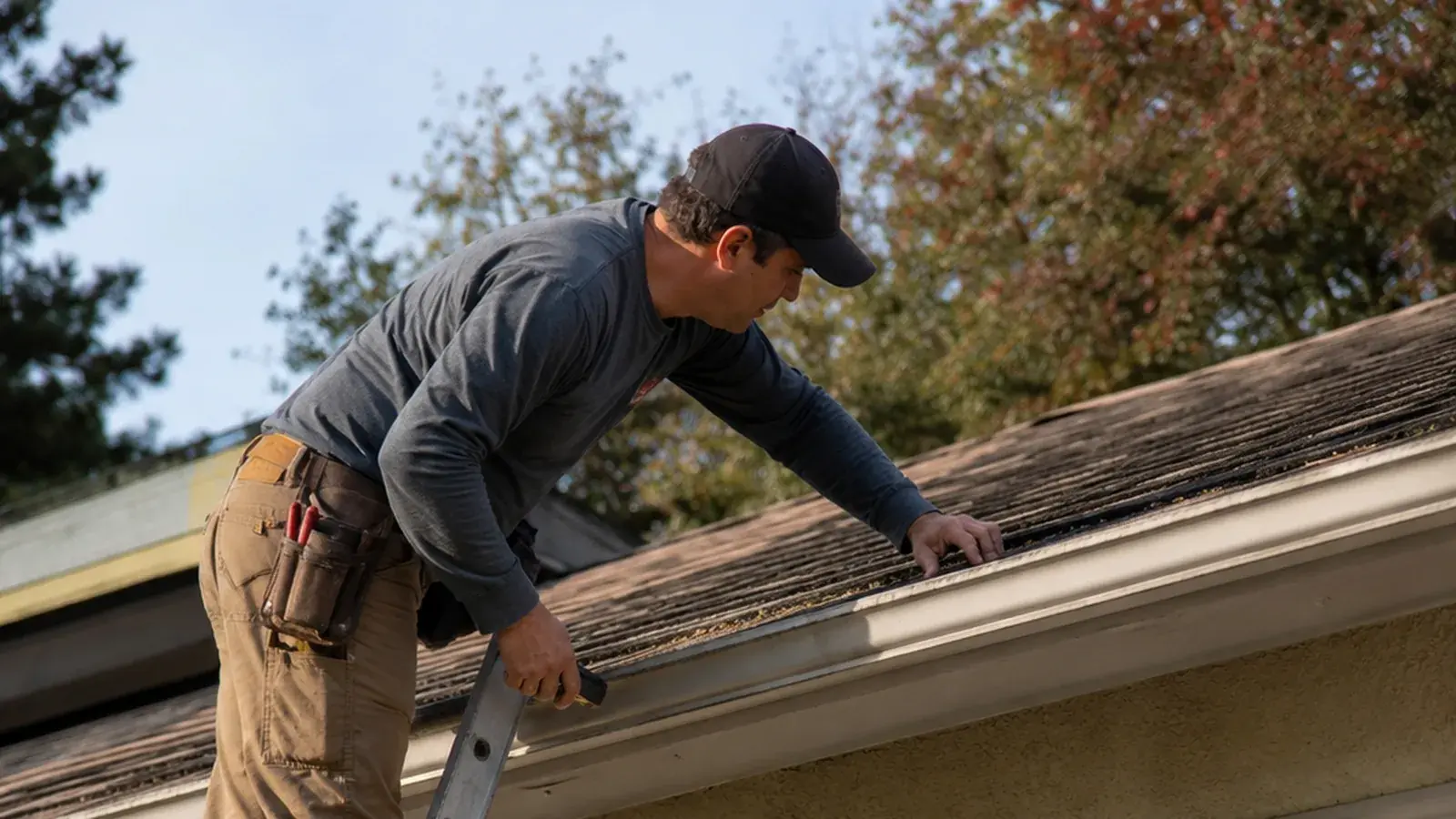
A professional roof inspection covers four things: the structure, the roofing material, the flashing and penetrations, and the interior or attic. It takes about 45 minutes to two hours depending on the roof, and it ends with a written report, usually with photos, that tells you what's wrong, what's fine, and what to do about it.
That's the short answer. The longer answer matters because "inspection" gets used loosely. Some contractors mean a five-minute look from the driveway. Others mean a full walk of every transition on the roof, a trip into the attic and a moisture check on a flat roof. Knowing what a real inspection includes is how you tell the difference before you pay for one.
Here's the full breakdown: what gets checked, the checklist by roof type, how long it takes, what it costs, what the report contains, and when to schedule one in Las Cruces.
What Does a Roof Inspection Include? The Four Parts
Structural
The inspector looks at the roof's shape and support. Sagging along the ridge, dips in a plane, or a wavy roofline point to deck or rafter problems. On flat roofs, that means checking for low spots that pond water. They also check the condition of the fascia, soffits and any visible framing at the eaves.
Roofing Material
This is the surface layer, and what gets checked depends on the material. Shingles get looked at for curling, cracking, missing tabs and granule loss. Tile gets checked for cracks, slipped or broken pieces and debris in the channels. Flat membranes and coatings get checked for seam separation, punctures, chalking, thinning and ponding.
Flashing and Penetrations
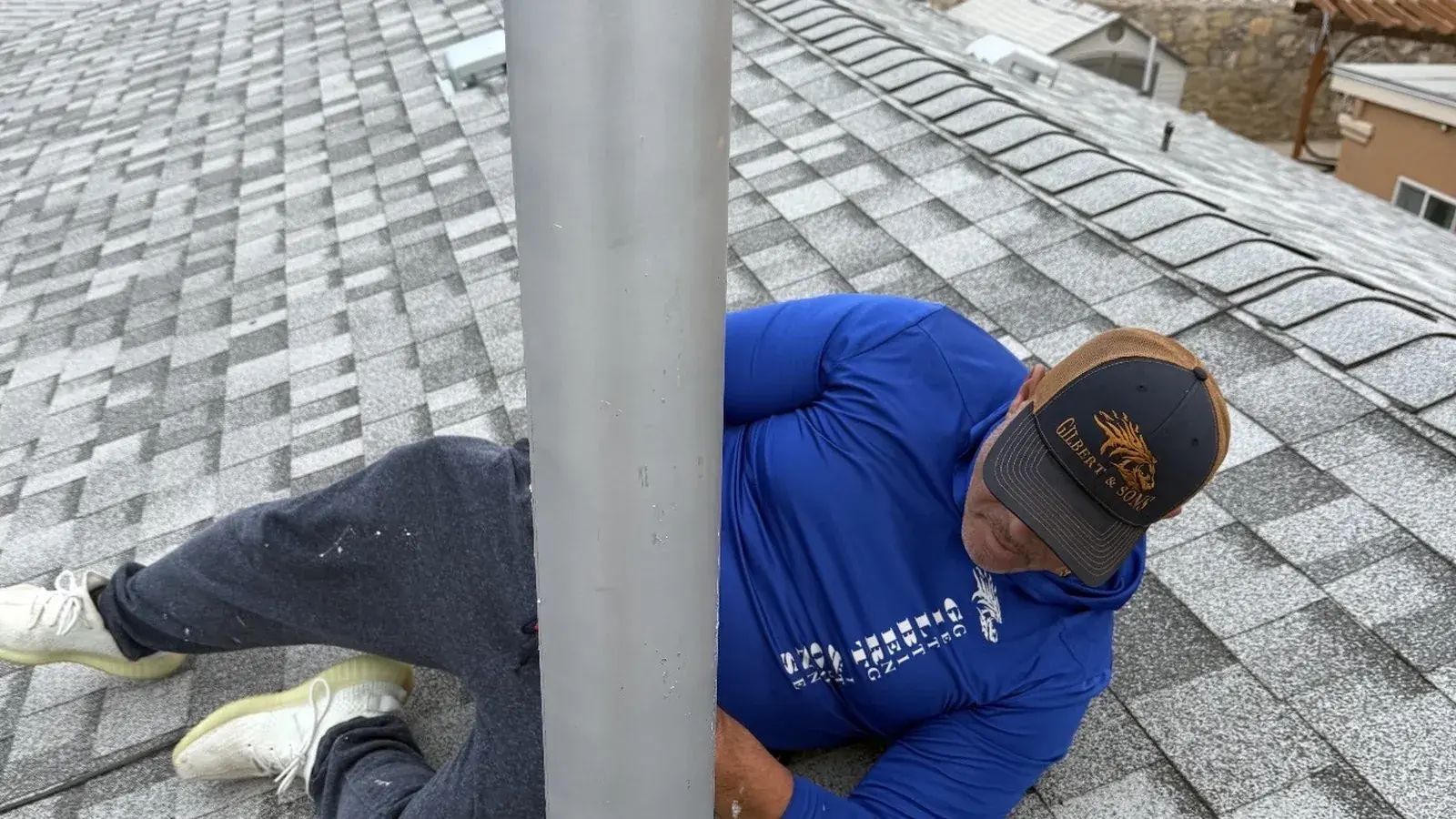
Every place the roof is interrupted. Step and counterflashing at walls, chimney and skylight flashing, pipe boots, HVAC curbs, drip edge, valleys, and on Southwest buildings, the parapet caps, scuppers and canales. This is where most leaks originate, so a good inspector spends more time here than on the open roof. Our guide to roof flashing explains each of these details.
Interior and Attic
If there's attic access, the inspector checks for water stains on the underside of the deck, daylight through gaps, wet or compressed insulation, mold, and whether ventilation is working. Inside the home, they look at ceilings and the tops of exterior walls for staining.
The Roof Inspection Checklist
Here's what a thorough inspection covers, organized by roof type. A stucco building gets the parapet and transition items regardless of roof type.
Every roof
- Sagging, dips or structural movement
- Fascia, soffit and eave condition
- Drip edge and gutters or drainage
- All flashing at walls, chimneys, skylights and penetrations
- Pipe boots and vent collars
- Sealant condition at every detail
- Attic or interior for stains, daylight and moisture
- Ventilation intake and exhaust
Asphalt shingle roofs
- Curling, cupping, cracking or blistering
- Missing or lifted shingles
- Granule loss and bald patches
- Exposed or popped nails
- Seal strip adhesion
- Ridge cap condition
Tile roofs
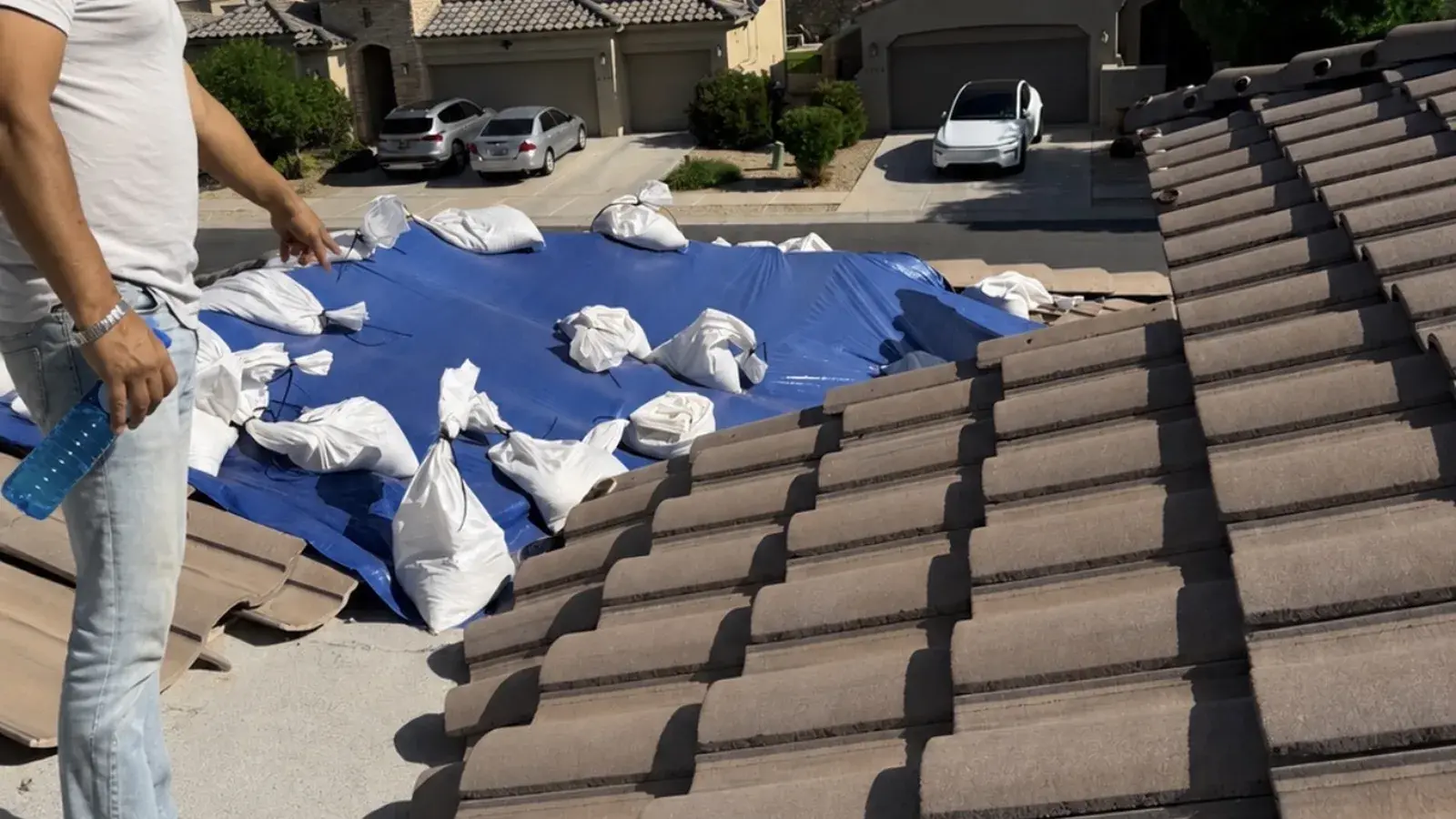
- Cracked, chipped, slipped or missing tiles
- Debris in valleys and behind penetrations
- Underlayment condition (a few tiles lifted to check)
- Ridge and hip mortar or foam
- Bird stops and eave closures
Flat, TPO and coated roofs
- Seam integrity and welds
- Punctures, tears and blisters
- Ponding water and low spots
- Coating thickness, chalking and reflectivity
- Membrane termination at walls
- Scuppers, canales and drains for blockage
Stucco parapets and roof-to-wall transitions
- Parapet cap or coping cracks
- Counterflashing and base flashing at the parapet
- Stucco cracks, staining and hollow spots on both faces
- Kickout flashing at the bottom of wall intersections
- Stucco stopped above the flashing, not run over it

How Long Does a Roof Inspection Take?
- Single-story shingle roof: 45 minutes to an hour
- Two-story or complex shingle roof: one to two hours
- Tile roof: one to two hours, since tiles need to be lifted to check underlayment
- Commercial flat roof: one to three hours depending on square footage and the number of penetrations
- Add an attic walk: 15 to 30 minutes
Anything that takes ten minutes from the ground is a visual assessment, not an inspection. It can spot obvious damage but can't evaluate flashing, underlayment or a flat roof's seams.
How Much Does a Roof Inspection Cost?
Nationally, a standalone roof inspection typically runs $120 to $400, with drone-assisted or infrared moisture inspections at the higher end. Many roofing contractors, including Gilbert & Sons, provide the inspection free when it's part of a repair or replacement estimate.
There's a distinction worth knowing. A free contractor inspection is tied to a quote. An independent paid inspection produces a report with no sales attached, which is useful for real estate transactions or insurance disputes. Both have their place.
What's in the Roof Inspection Report?
A good report includes:
- Photos of every problem area and the major details, taken on the roof
- Condition ratings for the roofing material, flashing, drainage and structure
- A prioritized list separating urgent repairs from maintenance items from cosmetic issues
- A remaining-life estimate for the roof based on material, age and condition
- A written quote if repairs or replacement are recommended
- Documentation suitable for an insurance claim or a home sale if that's the purpose
If a contractor walks your roof and gives you a verbal "it looks fine" with no photos, you didn't get an inspection. You got an opinion.
When Should You Get a Roof Inspection?
Annually. Once a year is the baseline for any roof past its fifth birthday.
After monsoon season. This is the big one for Las Cruces. Summer storms bring 50 to 70 mph downbursts, sideways rain and blowing dust. October is when the damage that happened in July and August gets found, and when there's still time to fix it before winter freeze-thaw widens every crack.
After a specific storm. Hail, or any wind event that took shingles or tiles off a neighbor's roof.
Before buying or selling a home. A general home inspector looks at the roof from a ladder. A roofer walks it.
Before a coating or restoration. A silicone restoration only works on a dry, sound roof, so a moisture survey and inspection come first.
When you notice something. A stain, a drip, granules in the gutter, a tile in the yard. Don't wait for the annual.
If you're asking what a roof inspection includes because something already looks wrong, that's the answer: call now, not in spring. Small problems in October become emergency roofing calls in January.
Roof Inspection vs Roof Certification
A roof inspection assesses condition and recommends action. A roof certification is a document, usually requested by a buyer, lender or insurer, in which a roofer certifies that the roof is free of defects and expected to last a stated number of years, often two to five. A certification usually requires an inspection first and may require repairs before it's issued.
If you're selling a home in Doña Ana County and the buyer's lender wants a certification, that's a different service from a standard inspection. Ask for it by name.
What Happens After the Inspection?
One of three things.
Repairs. The report identified specific problems, and the roof repair work gets quoted and scheduled. Most post-inspection repairs are flashing, sealant and drainage items, not roofing material.
A maintenance plan. The roof is sound but aging, and a roof maintenance plan puts the next inspection and the routine items (drain clearing, sealant touch-up, debris removal) on a schedule.
Nothing. The roof is in good shape. You have photos and a report documenting that, which is worth having on file for insurance or a future sale.
The Bottom Line on Roof Inspections
So, what does a roof inspection include? The structure, the roofing material, every flashing detail and penetration, and the attic or interior, walked in person and documented in a written report with photos. Three takeaways:
- A real inspection takes 45 minutes to two hours and produces photos and a report. A look from the driveway is not an inspection.
- Most problems found on a Las Cruces roof are at flashing, parapets and drains, not in the open field of the roof. The checklist should spend the most time there.
- October, right after monsoon season, is the best time of year to get one. Storm damage gets found while it's still a small repair.
Already dealing with an active leak? Our guide to emergency roof repair covers what to do before help arrives.
Contact Gilbert & Sons Roofing and Stucco
Gilbert & Sons Roofing and Stucco is a licensed, insured and bonded contractor serving Las Cruces and Doña Ana County since 2010. Our roof inspections cover every item on the checklist above, including the parapets and stucco transitions most roofers skip, and come with a photo report and an honest recommendation. To schedule a post-monsoon inspection, call 575-649-2316, email gilbertandsons2010@gmail.com, or request an estimate through our contact page.