
Blog · Roofing Materials
What Is Roof Decking? Plywood, OSB and When It Needs Replacing
Decking is the plywood or OSB layer every other part of the roof is nailed to. It is also the line item nobody can price until the old roof comes off.
Contents
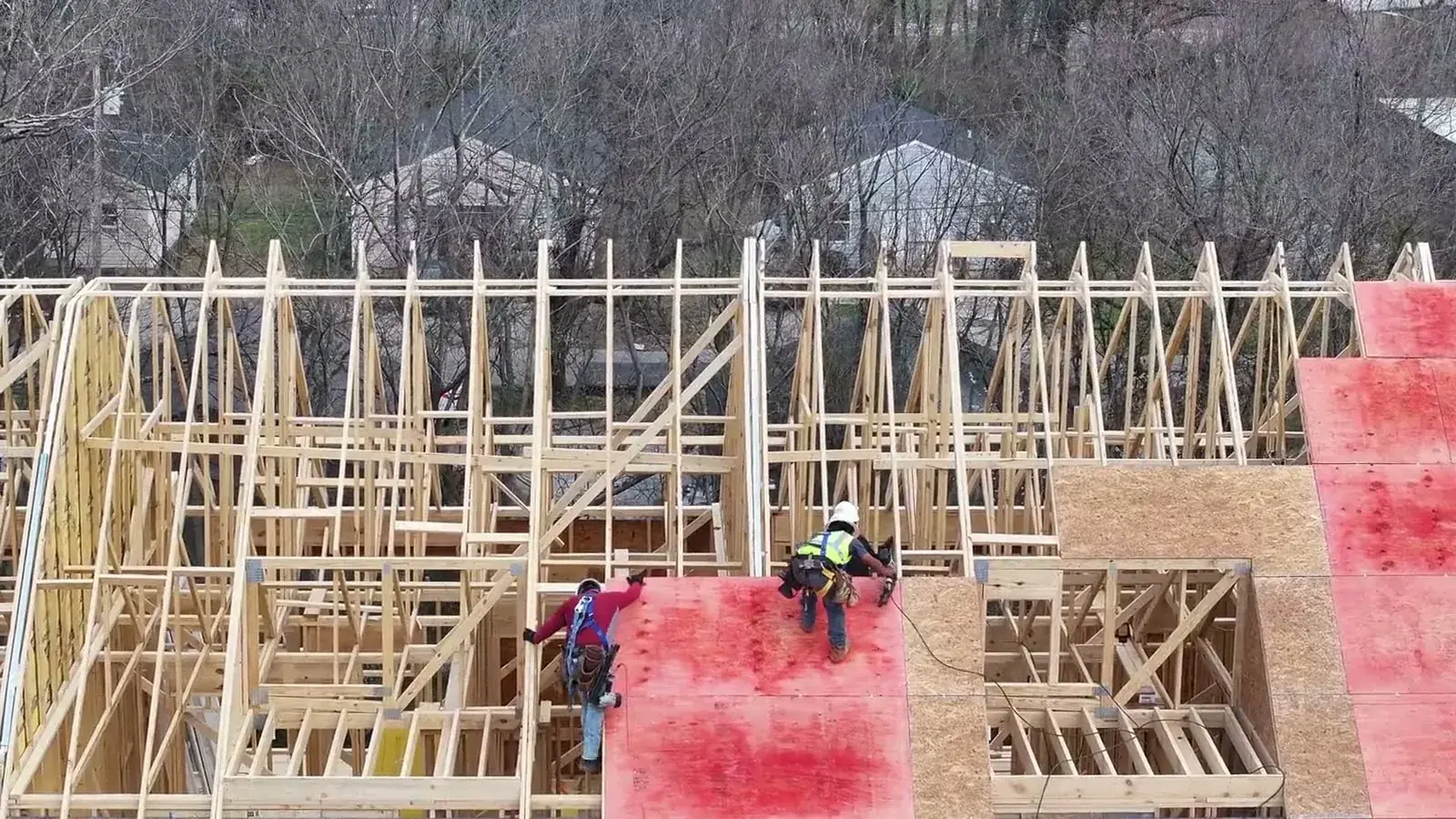
Roof decking, also called sheathing, is the layer of plywood or OSB panels fastened across the rafters or trusses. Everything else on the roof is nailed to it: the underlayment, the flashing, and the shingles, tile or metal on top. It's the structural base of the whole roof, and it's the one part you can't see until the old roof comes off.
That's why decking is the line item that surprises people on a roof replacement. The quote includes a per-sheet price for "decking as needed," and nobody knows the final number until tear-off day. Understanding what roof decking is, what damages it and how it's priced takes most of the surprise out of it.
This guide covers what decking does, the types and thicknesses, what causes it to fail, the signs of damage from inside and outside the house, why it's priced the way it is, and what's different on flat and tile roofs.
What Is Roof Decking and What Does It Do?
Decking does three jobs.
It's the nailing base. Every shingle nail, underlayment fastener and flashing screw goes into the deck. If the deck is soft or deteriorated, fasteners don't hold, and roofing materials lift in wind.
It gives the roof its structure. Rafters and trusses carry the load, and decking ties them together into a rigid plane. It spreads weight from roofing, foot traffic and wind loads across the framing.
It supports the waterproofing layers. Underlayment and roofing need a smooth, continuous surface. Gaps, sags and soft spots in the deck telegraph through to the surface and create places for water to collect.
Types of Roof Decking
Plywood vs OSB
Nearly all modern residential roofs use one of these two.
| Plywood | OSB (oriented strand board) | |
|---|---|---|
| Made from | Thin wood veneers glued in cross-grain layers | Wood strands compressed with resin in layered patterns |
| Cost | Somewhat more per sheet | Less, and the most common decking on newer homes |
| Wetting | Handles brief wetting well and dries without much swelling | Absorbs water more slowly but swells at the edges, and stays swollen |
| Nail holding | Slightly better | Strong and consistent when kept dry |
| How it fails | Usually delaminates in layers | Edges swell and crumble, and the panel loses strength |
Both meet code for roof decking. In a dry climate like ours, either performs well as long as the roof above it does its job. The difference shows up after a long-term leak, where OSB's edge swelling becomes visible as ridges in the roofline.
Plank Decking
Older homes, especially those built before the 1970s, often have solid board decking: 1x6 or 1x8 planks laid across the rafters. Some have spaced boards with gaps between them, which was common under wood shake. Spaced plank decking usually needs a layer of plywood or OSB over it before modern shingles can go on.
Concrete and Steel Decks
Commercial flat roofs often sit on poured concrete, precast concrete or corrugated steel decks, with rigid insulation on top and the membrane over that. These don't rot, but steel decks can rust where water sits, and insulation above any deck type can saturate.
How Thick Should Roof Decking Be?
Typical thicknesses on residential roofs:
- 7/16 inch OSB or 1/2 inch plywood: the common minimum for shingle roofs on rafters spaced 24 inches apart
- 5/8 inch: better for tile, which is far heavier, and for roofs that will see foot traffic or heavier loads
- 3/4 inch: used on some high-load or long-span applications
Thicker decking feels more solid underfoot, holds fasteners better and resists sagging between rafters. On a tile roof replacement, upgrading thin decking to 5/8 inch is often worth discussing.
What Causes Roof Decking to Fail?
Decking almost never fails on its own. Something lets water reach it, or keeps moisture against it.
- Long-term leaks. A small leak that runs for years soaks the same area every storm. This is the most common cause.
- Failed flashing. Water entering at walls, chimneys and penetrations runs down the deck behind the underlayment.
- Poor attic ventilation. Warm, moist air from the house condenses on the underside of the deck in cold weather. Repeated over years, it rots the deck from below even with a perfect roof on top.
- Ponding on flat roofs. Standing water finds its way through seams and saturates insulation and decking below.
- Failed underlayment under tile. Tile roofs leak with intact tiles when the underlayment beneath gives out, and the deck takes the water.
- Overlays. A second layer of shingles laid over damaged decking hides the problem and lets it grow.
Most of these trace back to the layers above. Roof underlayment and flashing are what keep the deck dry, and when they fail, the deck is next.
Signs of Damaged Roof Decking
You can spot many decking problems before tear-off if you know where to look.
From inside the attic:
- Dark stains or rings on the underside of the deck
- Soft or spongy spots when you press up on the decking between rafters
- Visible sagging between rafters
- Daylight through gaps
- Mold or mildew on the wood
- Rusted nail tips, especially clustered in one area
From outside:
- A wavy or uneven roofline
- Visible dips or sags in a roof plane
- Shingles that look raised in lines, which can be swollen OSB edges below
- Soft spots underfoot (a roofer's observation, not something to test yourself)
If you're tracing a leak, the attic is where decking damage shows first. How to find a roof leak walks through what to look for.
Why Decking Is Priced Per Sheet in Your Quote
A good roof replacement quote doesn't give a flat price for decking, and that's a good sign, not a dodge.
Nobody can see the deck through the old roof. A roofer can spot soft areas, check the attic and make an educated estimate, but the real condition only shows after tear-off. So instead of guessing high to protect themselves or guessing low and surprising you later, reputable contractors list a per-sheet price for any decking that needs replacing.
What to expect and ask for:
- A clear per-sheet price in the written quote, for both labor and material
- Photos of damaged decking before it's replaced, so you can see what you're paying for
- A call or text if replacement will exceed a set number of sheets
- An honest estimate range based on the attic inspection
On most re-roofs, a handful of sheets need replacing, usually around old leak points, valleys and penetrations. Widespread replacement usually means a long history of leaks or poor ventilation. This is all part of how roof replacement works, at the deck inspection stage after tear-off.
Decking on Flat Roofs and Tile Roofs
Flat roofs. On commercial and Pueblo-style flat roofs, wet insulation is often the bigger issue than the deck itself. A moisture survey before any restoration or replacement maps where insulation is saturated. Those areas are cut out, the deck below is checked and repaired, and new insulation goes in. Skipping this step and coating over wet insulation traps the moisture and rots the deck from the top down.
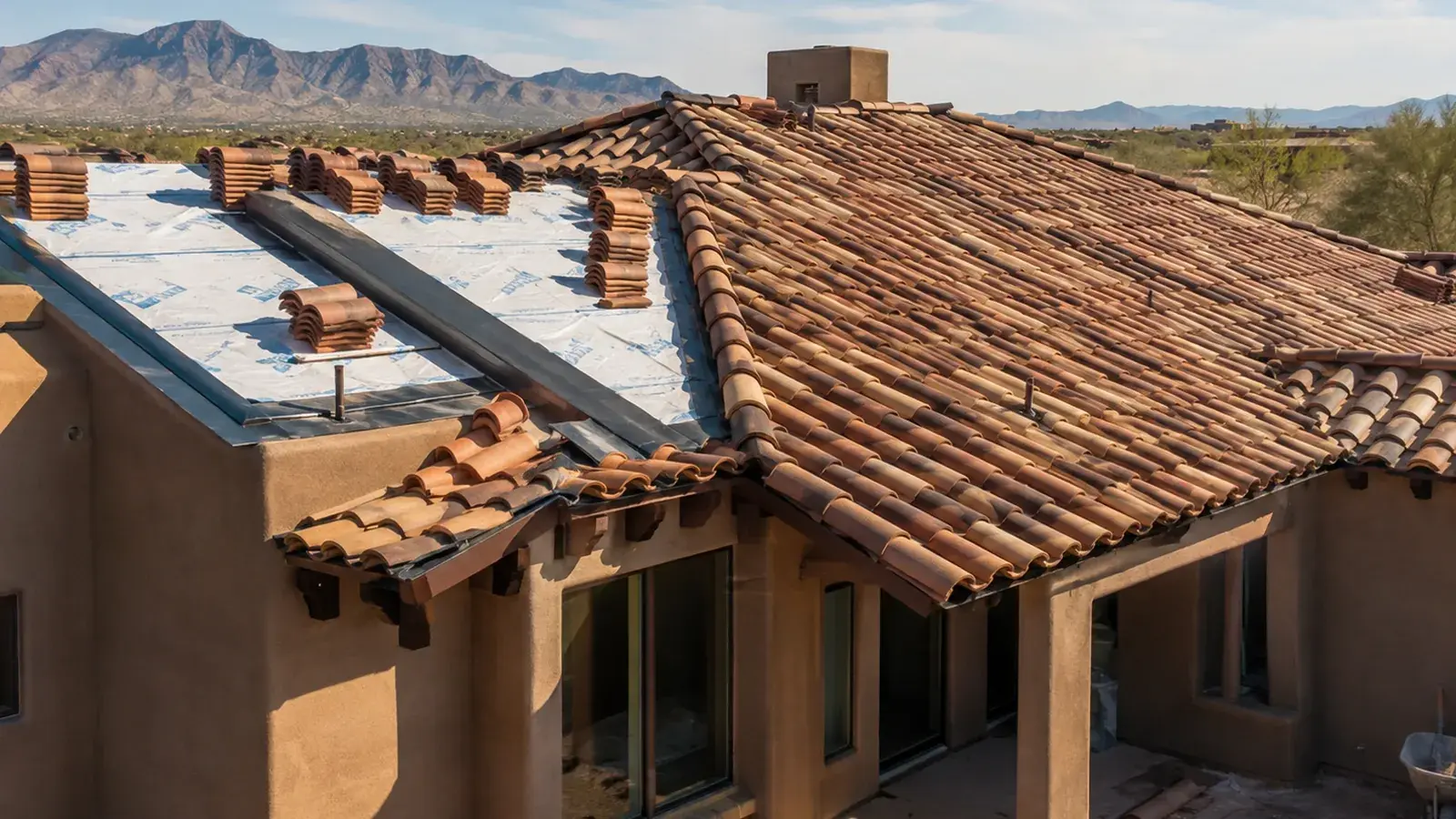
Tile roofs. Tile adds several times the weight of shingles, so deck thickness and condition matter more. During an underlayment replacement on a tile roof, the tiles come off, which exposes the deck for inspection and repair before new underlayment goes down. It's the best opportunity in a tile roof's life to fix decking problems.
The Bottom Line on Roof Decking
So, what is roof decking? The plywood, OSB or plank layer across the rafters that every other part of the roof is fastened to. Three takeaways:
- Decking fails when water or condensation reaches it, so flashing, underlayment and ventilation are what protect it.
- You can spot many problems from the attic before tear-off: stains, soft spots, sagging and daylight.
- Per-sheet decking pricing in a quote is normal and fair. Ask for photos before any sheet is replaced.
Contact Gilbert & Sons Roofing and Stucco
Gilbert & Sons Roofing and Stucco is a licensed, insured and bonded contractor serving Las Cruces and Doña Ana County since 2010. Every roof replacement we do includes a full deck inspection after tear-off, with photos and a per-sheet price agreed in writing up front. If you're seeing stains or sagging, or want an honest estimate before a replacement, call 575-649-2316, email gilbertandsons2010@gmail.com, or request an estimate through our contact page. We'll start with a roof inspection that includes the attic, and if we find damage, we'll scope the roof repair or replacement from there.