
Blog · Roofing
Can You Put a New Roof Over an Old Roof? Overlay vs Tear-Off
Code usually allows one layer of shingles over one existing layer. But an overlay hides the deck, shortens the new roof's life and costs more at the next replacement.
Contents
Yes, sometimes. Building code generally allows one new layer of asphalt shingles over a single existing layer, as long as the old roof is dry, flat and structurally sound. But just because you can doesn't mean you should. For most pitched roofs, a full tear-off is the better investment. The real exceptions are coating a sound flat roof and, in some cases, installing a metal roof over one layer of shingles.
This question usually comes up the moment a homeowner sees two numbers on a quote, one for an overlay and a higher one for a tear-off. The overlay looks like an easy savings. Sometimes it is. More often, it moves the cost down the road and adds to it.
This guide explains what an overlay is, what code allows in practice, the honest case for and against it, the situations where it does make sense, and the questions to ask before agreeing to one.
What Is a Roof Overlay?
A roof overlay, also called a layover or reroof, means installing new roofing directly on top of the existing roof without removing it. The old shingles stay in place, new underlayment may or may not go down, and the new shingles are nailed through both layers into the deck.
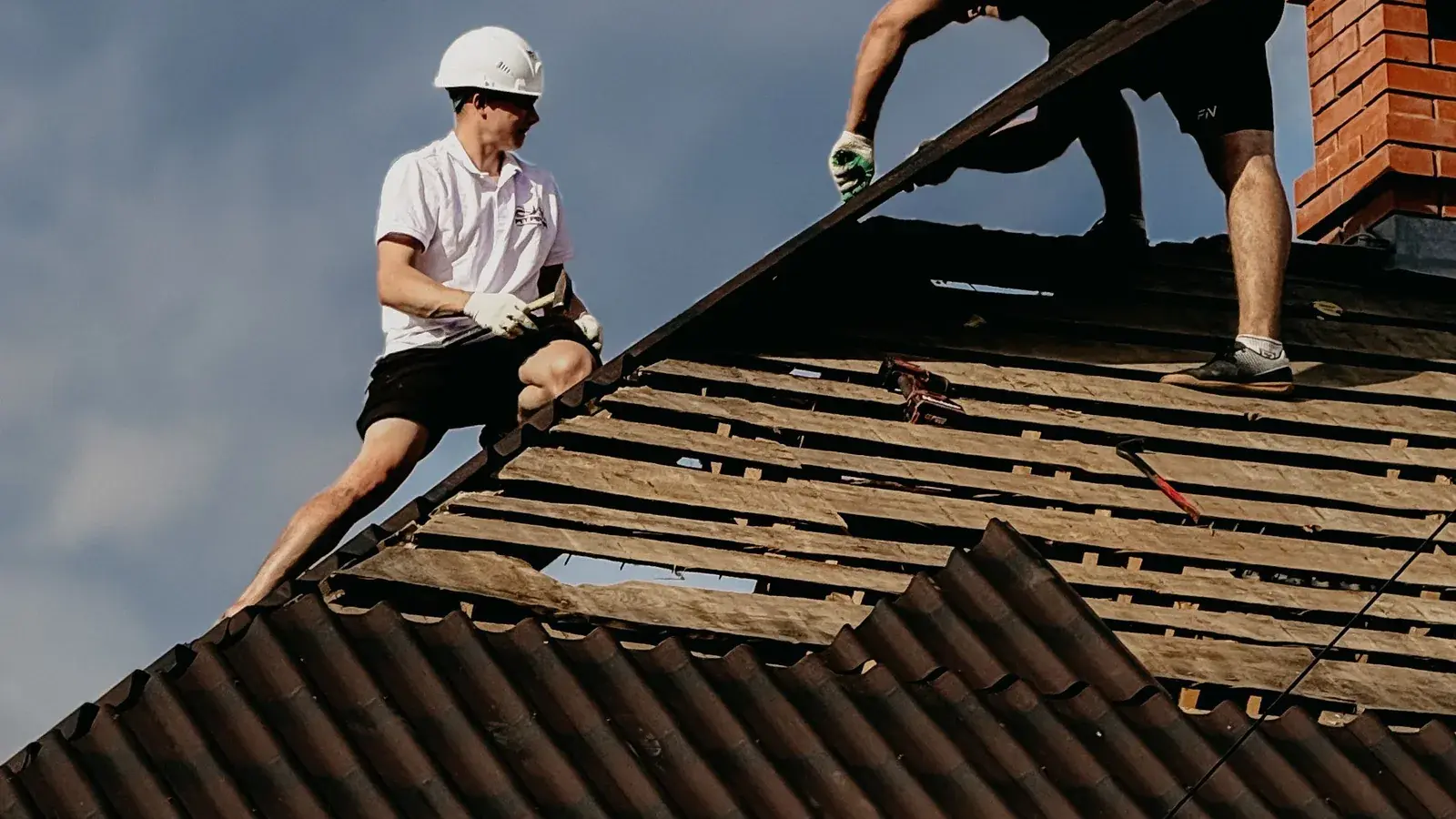
A tear-off removes everything down to the bare deck: shingles, nails, old underlayment and old flashing. The deck gets inspected and repaired, then the new roof goes on as a complete system.
On flat roofs, the overlay equivalent is called a recover: a new membrane or a coating goes over the existing roof, sometimes with a cover board in between.
What Does Building Code Allow?
So can you put a new roof over an old roof under code? The International Residential Code, which most local codes in New Mexico are based on, allows a recover over existing roofing in limited cases. In practice:
- One overlay maximum. If there are already two layers of shingles, both have to come off.
- The existing roof must be dry and sound. An overlay isn't allowed over wet, rotted or deteriorated roofing.
- No overlay over tile, slate or wood shake. Those materials have to be removed.
- Damaged decking has to be addressed, which is hard to do when you can't see it.
- Flashing and drip edge requirements still apply to the new roof.
Local jurisdictions can be stricter, and the permit inspector has the final say. Any contractor proposing an overlay should be able to tell you exactly how it meets code on your roof.
The Case for an Overlay
There are real advantages, and it's fair to name them.
- Lower upfront cost. No tear-off labor and no disposal fees. Savings typically run in the range of a few thousand dollars on an average home.
- Faster installation. Often a day shorter.
- Less mess and noise. No debris chute, no full day of tear-off.
- The old roof adds a layer. In theory, it's an extra barrier while the new roof is going on.
For a short-term owner who plans to sell within a few years, or a detached garage or shed, those advantages can tip the decision.
Why Most Roofers Recommend a Tear-Off
For a home you plan to stay in, the case against an overlay is stronger.
It hides the deck. Rot, soft spots and old leak damage stay buried. Nobody sees them until they show up as a sag or a stain years later, and by then the repair is bigger. Roof decking is the foundation of the whole system, and an overlay means installing a new roof on a foundation nobody looked at.
It adds weight. A second layer of architectural shingles adds roughly 2 to 4 pounds per square foot across the whole roof. Most framing can carry it, but older homes and long spans may not carry it well.
It shortens the life of the new shingles. Shingles laid over old shingles don't lie perfectly flat. They follow every curl and bump below. They also run hotter, because the second layer traps heat, and heat is what ages shingles fastest in Las Cruces.
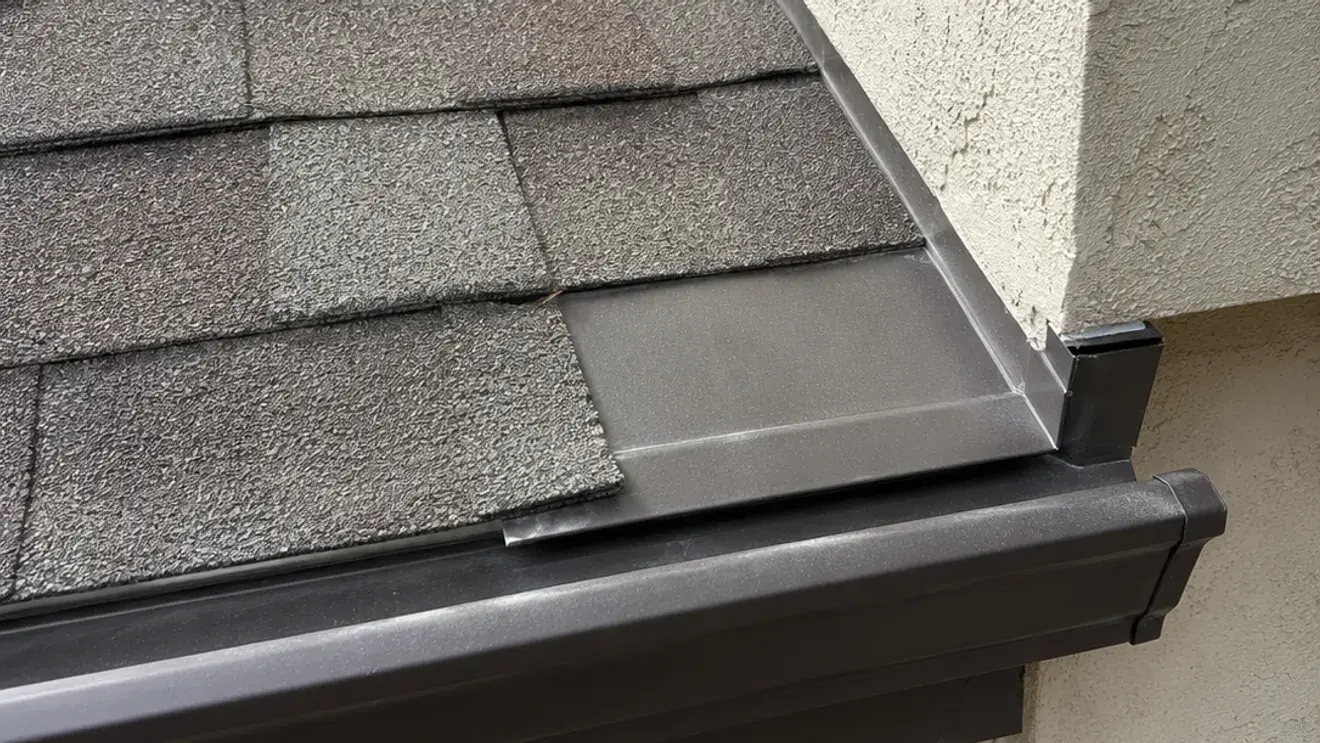
It complicates flashing. Old flashing often gets reused or covered rather than replaced. Since flashing causes more leaks than anything else, this is the detail that most often turns an overlay into a callback.
It can void or limit warranties. Many shingle manufacturers reduce or deny warranty coverage on overlays, and the best enhanced warranties typically require a full tear-off.
It costs more next time. When the overlay roof wears out, two layers have to come off instead of one. The savings you got today, you pay back with interest at the next replacement.
It affects resale and insurance. Home inspectors flag two layers. Some insurers adjust premiums or coverage for overlaid roofs.
This is why a complete roof replacement almost always starts with a tear-off. You can see the full sequence in how roof replacement works.
When an Overlay Does Make Sense
There are three situations where going over the existing roof is the right call.
Coating a sound flat roof. This is the most common and most effective form of recover. A silicone or elastomeric coating applied over a dry, structurally sound flat roof seals it under a seamless membrane, adds 10 to 20 years, and avoids tearing off anything. It's a recognized system with a manufacturer warranty, not a shortcut. The key is a moisture survey first. See what silicone roof restoration is for the full process.
Metal over a single layer of shingles. Some metal roofing systems are designed to go over one layer of existing shingles, typically on battens or with a slip sheet. Metal is light, so weight is less of a concern, and the existing shingles add a small amount of insulation and sound dampening. It still makes sense to inspect the deck first, and the flashing at walls and penetrations still has to be done right. Metal roofing covers the system types in detail.
Recover boards on certain flat roofs. On some commercial flat roofs with a dry, sound existing membrane, a cover board and a new single-ply membrane can go over the top. This depends on the existing system, the insulation condition and the number of existing layers.
Overlay vs Tear-Off: Side by Side
Here's how the two compare on a typical asphalt shingle home.
| Overlay | Tear-off | |
|---|---|---|
| Upfront cost | Costs less | Costs more, from labor and disposal |
| Lifespan of the new roof | Typically a few years less | The full expected life |
| Deck inspection | Hides the deck | Exposes every sheet so damage gets repaired |
| Flashing | Often reuses old flashing | Replaces it all |
| Weight | Adds a full layer | Keeps the roof at one layer |
| Warranty | May limit or void manufacturer coverage | Qualifies for full warranties |
| Next replacement | Two layers to remove later | One layer |
| Resale and inspection | Gets flagged | A clean record |
Questions to Ask Before You Agree to an Overlay
If a contractor proposes going over your existing roof, ask:
- How many layers are on the roof now? If the answer is two, an overlay isn't an option.
- How do you know the deck is sound? A walk-on inspection and an attic check are the minimum.
- Will the flashing be replaced or reused?
- What does the shingle manufacturer's warranty say about overlays? Ask to see it in writing.
- What's the price difference, exactly? Compare it with the cost of removing two layers at the next replacement.
- Does it meet local code and will it be permitted?
A professional roof inspection before you decide will answer most of these.
The Bottom Line on Roof Overlays
So, can you put a new roof over an old roof? Code usually allows one overlay of shingles over a single dry, sound layer, but for most homes a tear-off is the better value over the life of the roof. Three takeaways:
- An overlay saves money today, hides the deck and old flashing, and costs more at the next replacement.
- Coating a sound flat roof is the one recover that's clearly worth it, and it's a full system with a warranty.
- Metal over one layer of shingles can work, but only with a deck inspection and new flashing.
Contact Gilbert & Sons Roofing and Stucco
Gilbert & Sons Roofing and Stucco is a licensed, insured and bonded contractor serving Las Cruces and Doña Ana County since 2010. We'll inspect your roof and tell you honestly whether an overlay, a tear-off or a specialty roofing system like coating or metal is the right fit. Call 575-649-2316, email gilbertandsons2010@gmail.com, or request an estimate through our contact page and we'll give you a written comparison before you decide.